Flat sheet laser cutting machine
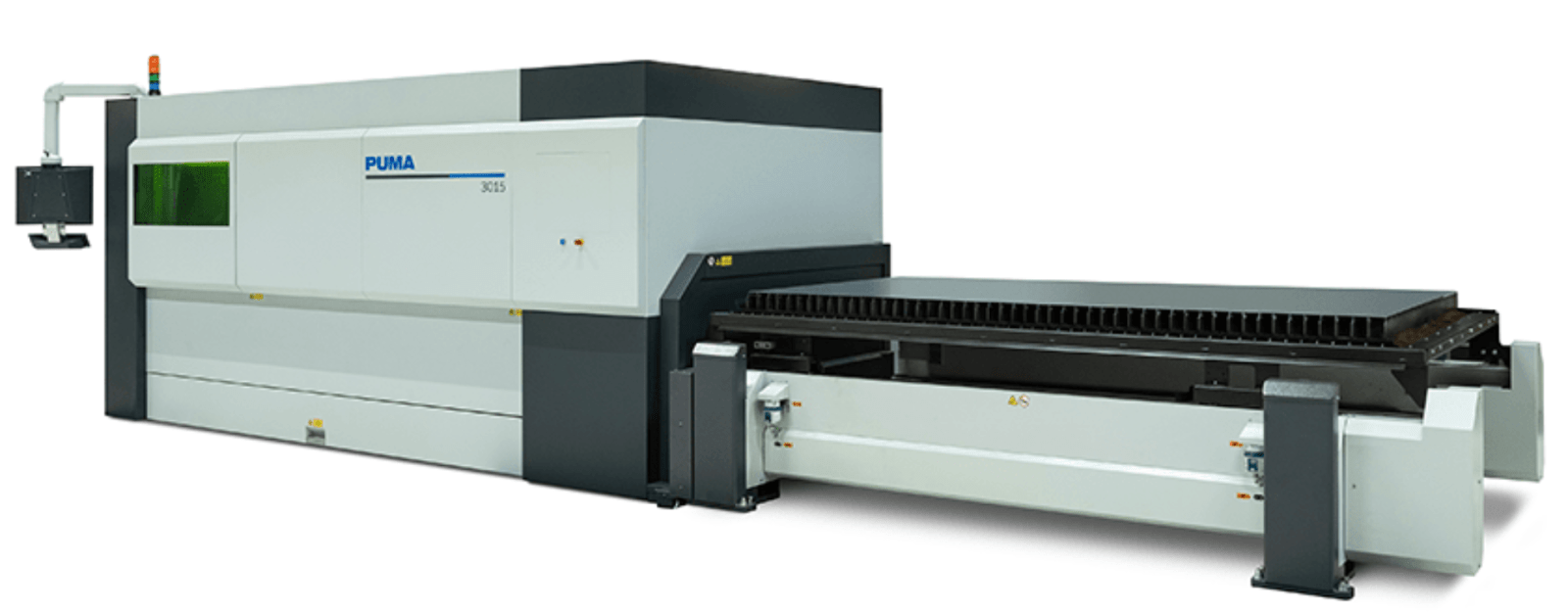
Flat sheet fiber laser cutting machines can cut both ferrous and non-ferrous materials and suit a variety of applications for job shops and OEMs. LVD designs and builds fiber laser cutting machines for flat sheet cutting applications. We focus solely on fiber laser cutting equipment because of the speed and efficiency of fiber laser technology. A fiber laser generates laser light inside an active fiber without the use of mirrors, therefore eliminating any power loss. Modern fiber lasers have an efficiency of more than 40%. The first commercial fiber laser was introduced just eleven years ago in 2008. Today, fiber laser is the most sought-after laser cutting technology.
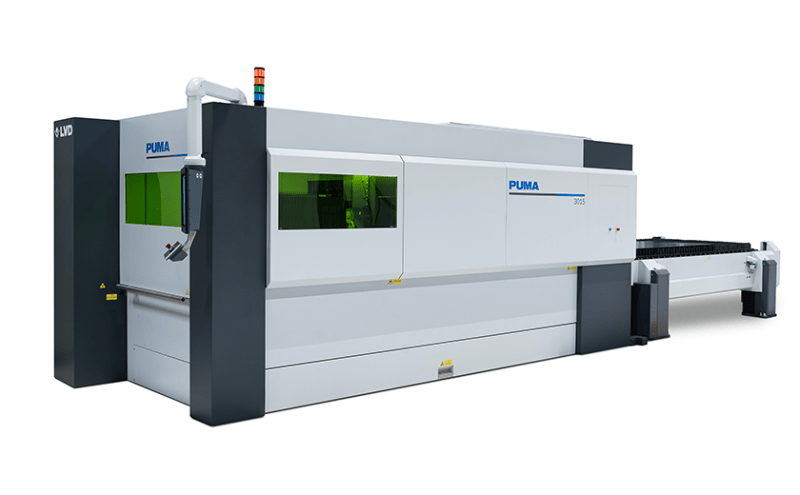
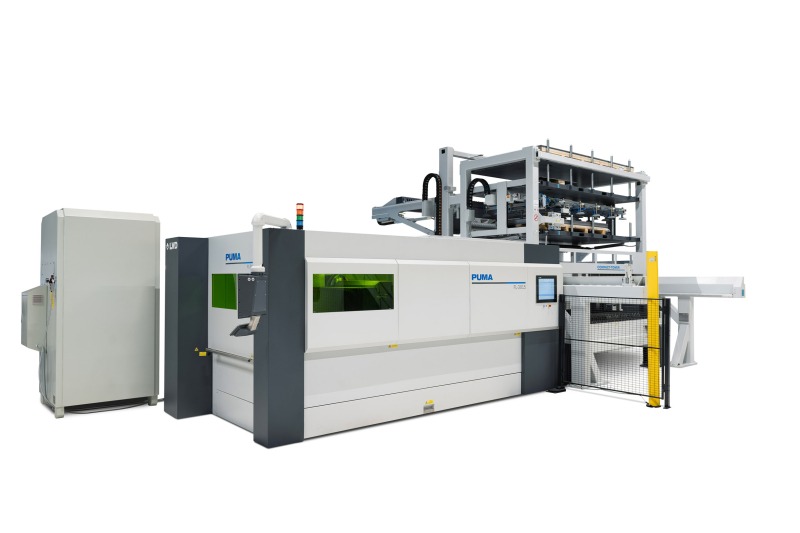
LVD Puma fiber laser cutting machine
Tube laser cutting machine
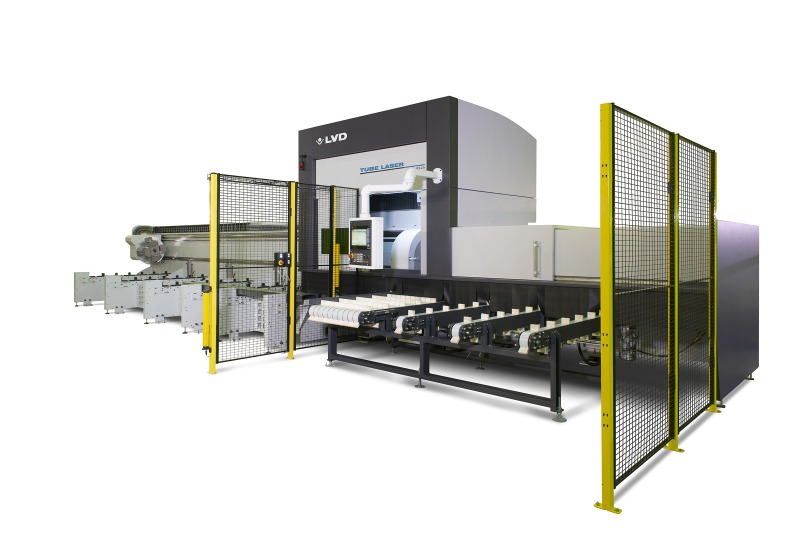
Laser technology is ideal for cutting tubes and profiles with speed and precision. Today’s products increasingly incorporate tubular frames because of the structural integrity they offer. Tubing has a very high strength-to-weight ratio. A hollow tube can be stronger than a solid one of the same mass. Using laser technology to fabricate tubes and profiles provides several process and cost advantages. The efficiency and flexibility of tube laser cutting opens the door to a world of application possibilities – providing more versatility in engineering design and shortening the time to market for new products.
Automation for laser cutting equipment
Modular automation components maximize the efficiency and productivity of laser cutting equipment. Automation solutions can range from simple load/unload systems to minimize material handling to full warehouse storage and retrieval systems. Because of their modular nature, these automated systems can be retrofitted, expanded at any time.
Are oversized sheets the norm?
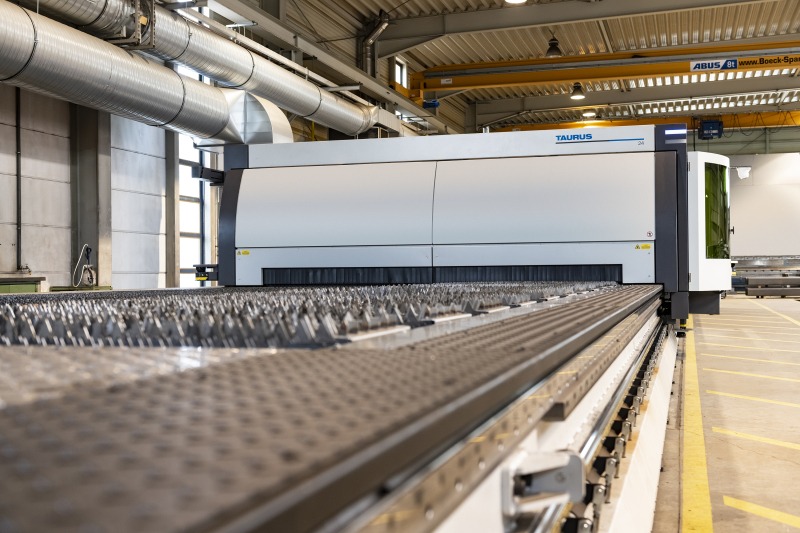
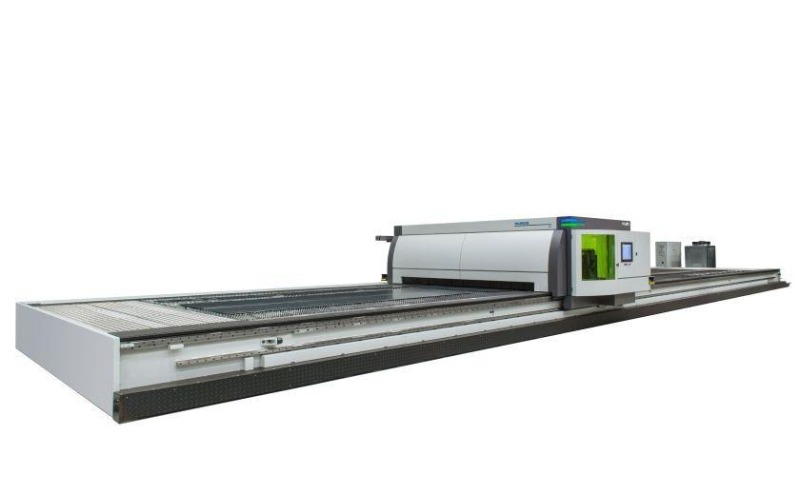
The need to cut sheets larger than 6500 mm represents a growing market segment. XXL laser cutting machines offering modular configuration can be extended by adding additional frames to the base. The Taurus begins at a 14-meter bed length and can be expanded in increments of 4 meters to a maximum bed length of 42 m.
Cutting XXL sheets is a necessity for fabricators manufacturing trailer or truck components, agricultural or construction equipment or other long profiles. If this is your requirement, there is an increasingly growing array of machines built specifically for large-format cutting. These systems, like the Taurus, can cut large and heavy parts but also provide the flexibility to nest and cut small and medium-sized parts for optimized production capacity.
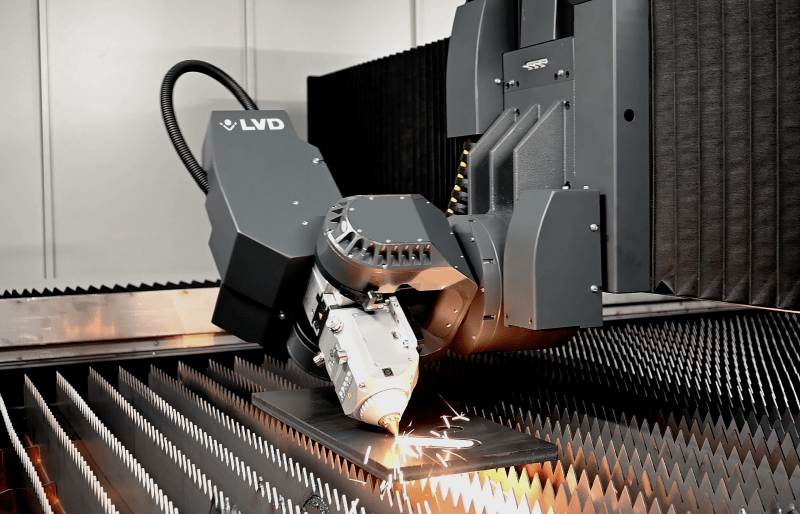
- If weld-prep operations are necessary, consider a bevel cutting head. The Taurus laser and the Puma 6525 offer bevel cutting as an option.
- An auto-adjusting cutting head offers the flexibility to optimize cutting results regardless of material. This focusing lens system automatically adjusts focus position depending on material and thickness to achieve optimal cutting speed and quality. All Puma laser cutting machines below 20 kW are equipped with a 200 mm cutting head.
- If you plan to process different materials unmanned, consider an automatic nozzle changer. An automatic nozzle changer is an option for Puma and Taurus laser cutting machines. Nozzles changers are offered in different capacities.
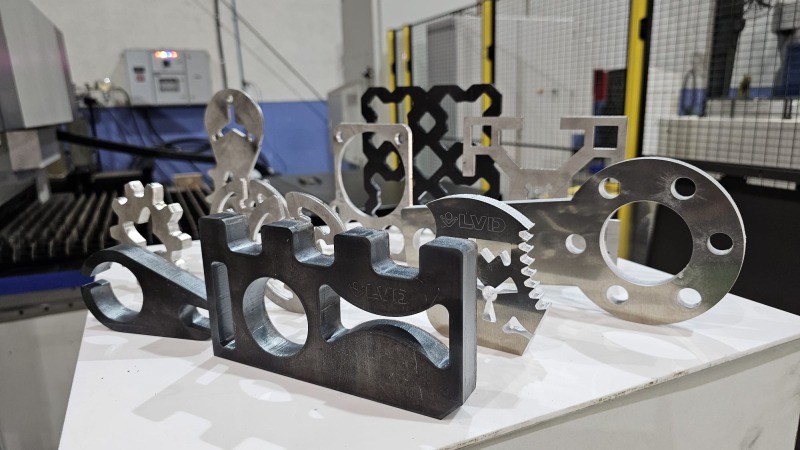
A 20-kW laser can process materials up to 50 mm thick, cutting up to 2.5 times faster than a 10-kW laser. Advanced cutting technologies offer a rapid piercing time in thick plate of less than three seconds.
A higher power laser could mean more flexibility, but it’s important to look at the full picture. An ultra-high-power laser requires a robust machine frame to harness that power and dictates the level of a laser’s cutting success.
To determine the best power level for your cutting needs and guidance on cutting speeds, it’s best to consult with the machine manufacturer to discuss your application. For assistance, please contact your local LVD representative.
LVD laser cutting machines offer a range of power sources, depending on model:
- LaserTWO: 3-, 6-, or 12-kW laser source
- Puma laser cutting machine: 3-, 6-, 12, or 20-kW laser source
- Taurus XXL laser: 12-, 20- or 30-kW laser source
Entry-level or modest budget?
If your budget is modest, a basic laser cutting machine without all the extras could be a good fit. Minus the significant price tag and “non-essential” features, this type of laser cutting machine gets the job done as cost-effectively as possible while delivering the core benefits of fiber laser technology:
- ability to process a range of ferrous and non-ferrous materials
- high accuracy
- minimal maintenance required
To keep its economy, specifications are lower in terms of maximum positioning speeds and simultaneous axis speeds. Features such as additional safety guards, dust collector and assist gas filters are extra. Some “no-frills” lasers feature a simple pallet changer/shuttle table, some can be equipped with simple automation systems for load-assist operations or full load-unload units.
LVD offers the LaserTWO.
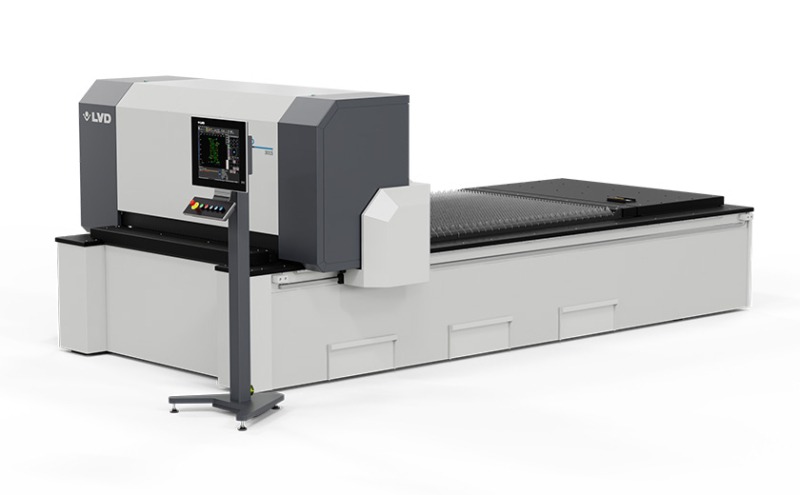
LVD LaserTWO fiber laser cutting machine
Willing to invest in mid- to high-end flexibility to cut a wide range of materials and thicknesses?
If you have a range of applications in different material types and thicknesses, or if you have a changing mix of jobs or are planning for future work, an all-around laser cutting machine more feature-rich than an entry-level system and offering more automations may be a better solution.
LVD offers:
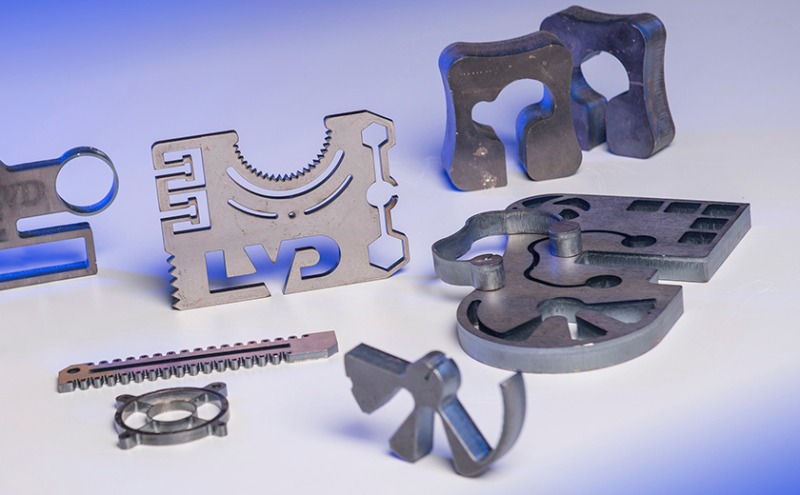
- Puma, a flexible laser cutter with the agility to take on any job
Need to invest in heavy-duty or large-format cutting equipment?
If your requirement is for processing large plate, heavy-duty materials or even a diversity of sheet sizes, an XXL laser cutting machine offers extra-large cutting capacity. Large parts can be processed without repositioning while multiple smaller workpieces can be positioned on the cutting table and processed in continuous fashion, without interruption. Parts can be cut on one section of the table, while offloaded on another, keeping downtime to an absolute minimum.
Large-format fiber lasers may also offer a bevel cutting option. Bevel cutting on the laser prepares the part for the subsequent welding operation.
The LVD Taurus is a modular XXL laser cutting machine. The machine size begins at a 14-meter bed length and can be expanded in increments of 4 meters to a maximum bed length of 42 m.
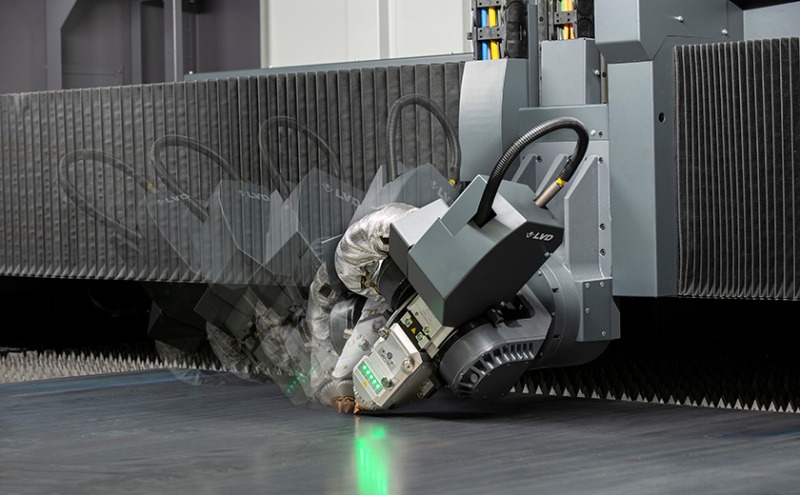
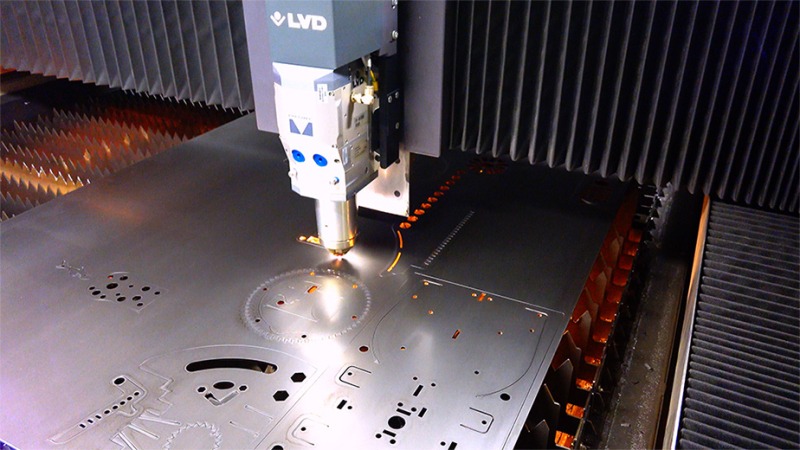
With the advent of higher-power laser sources, nitrogen has become the gas of choice to achieve clean cuts at higher speeds. Various factors impact laser gas selection, including type and thickness of material, cutting application, and cutting volume. LVD can help provide guidance on laser gases for your application and LVD laser.
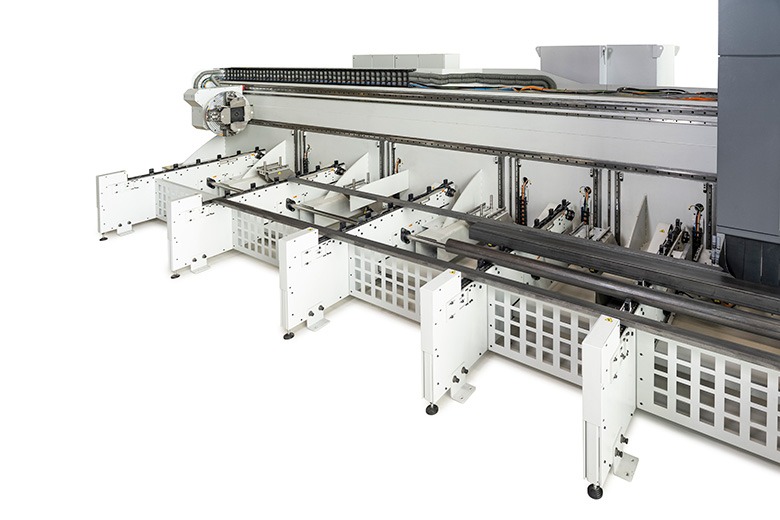
Tube laser cutting systems like the TL 8525 incorporate semi-automatic loading with a built-in front loader to load up to six tubes of up to 250 mm diameter.
For many shops, automation offers the benefit of operating with a smaller footprint. Modular automations systems are offered with most laser cutting machines and vary in size and capacity. LVD offers a range of laser automation systems.
The operating cost of a laser cutting machine depends on the number of hours/shifts that it operates. When calculating operating cost, you must consider depreciation. For most users, depreciation is over a period of five to seven years. Also impacting this calculation is energy costs, maintenance, and gas consumption. To calculate a detailed list of operating costs specific to your LVD machine and application, contact your local LVD representative.

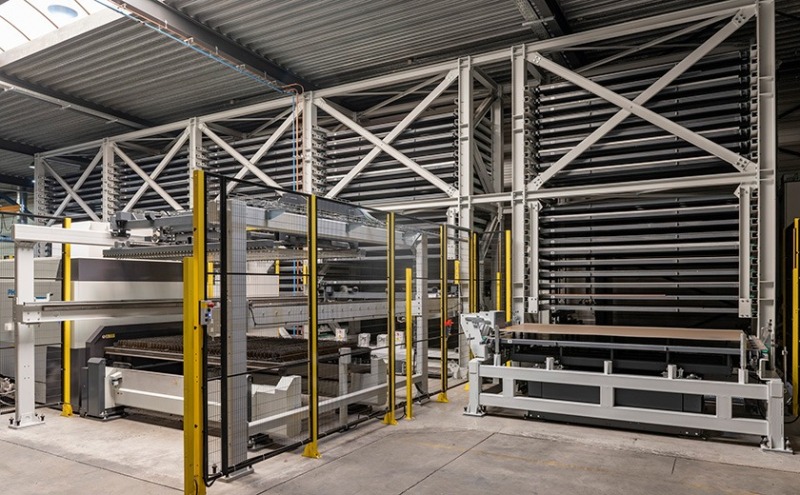
For greater versatility, a load/unload system can be combined with a tower or warehouse system for storage and retrieval of raw materials and finished parts. The LVD TAS and WAS are examples. These systems provide automated production from stored raw material to stacked finished parts.
LVD offers a full range of laser automation systems.
To address health and safety risks of extra-large format laser cutting, manufacturers have incorporated greater protections for system operation and maintenance. This includes multiple control panels situated at strategic points along the machine, collision-prevention 2D scanners, an integrated fume exhaust system, and scrap bins with fork pockets for easy removal by forklift.
These safeguards enhance process reliability.
Your local LVD representative can discuss machine options for enhanced safety.

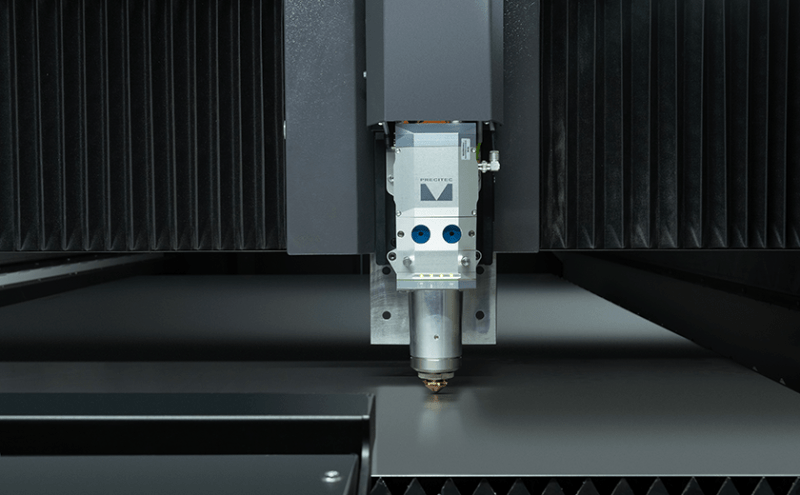
A capacitive system recognizes when the laser touches a part that is already cut; in which case, a tip touch function will automatically stop all machine axes to prevent damage. After cleaning and checking the nozzle quality, the machine will then continue cutting.
Also, a breakaway tip assembly is built into the nozzle to provide crash protection for the cutting head. Another protection is in place if there is a cutting head collision above the height of the nozzle. In this instance, the entire cutting head moves out of its seat and balances in all directions to avoid possible damage. This action automatically stops all machine axes.
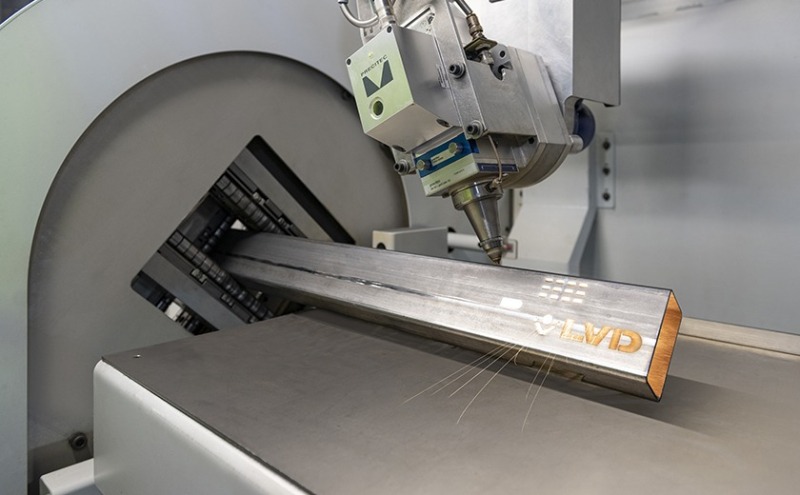
LVD offers tube lasers in two configurations, the flexible TL 2665 and full-featured, high-capacity TL 8525.
For tube cutting, laser allows the use of tabs and slots for more creative designs. The addition of tabs and slots can make assembly much easier and simplify tooling. Using tabs or notches can greatly reduce or even eliminate the need for weld fixturing. Quick and easy changeover from one part to another makes tube laser cutting more flexible than other fabrication methods. Multiple parts can be produced from the same setup with no changeover.
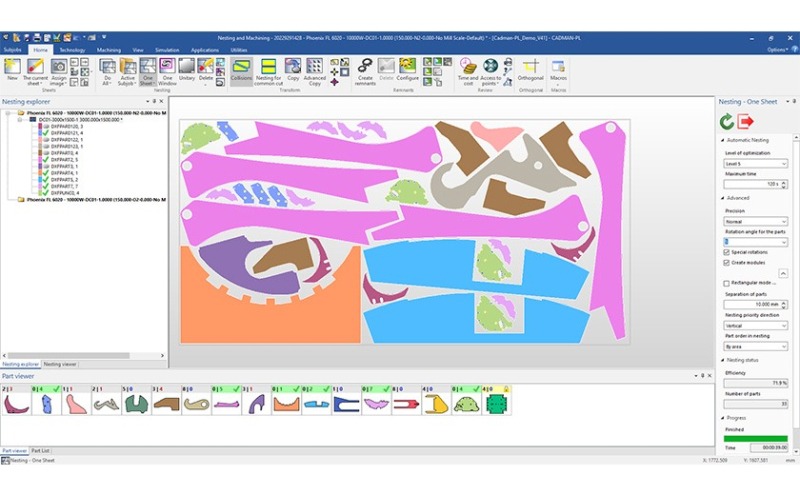
CADMAN-L software works with Solidworks® as well as with most CAD systems to import various file formats. Most CAD systems can export files in either DXF or DWG. CADMAN-L can easily import those formats and continue to work with the file once it is imported. Our CADMAN-SDI (Smart Drawing Importer) software, a separate CADMAN module that can be combined with CADMAN-L, can import up to 30 different file formats.
LVD service support is ongoing, with full after-sales support:
- Machine installation and training
- Maintenance programs
- Teleservice support
- Spare parts
- Onsite support
- Global network
When considering a laser cutting system, be sure that the equipment supplier has resources to provide the service support necessary to maximize machine uptime throughout the lifetime of the equipment.

The rapid advancement of fiber laser technology has shifted the focus from CO2 to fiber lasers. Fiber lasers have proven more efficient than CO2 and have the benefit of lower running costs, less maintenance, and the ability to cut reflective materials such as copper, brass, and aluminum. Today, fiber lasers achieve high cutting speeds in thin to thick materials at power levels of up to 30 kW.
LVD offers exclusively fiber lasers in its portfolio of laser cutting machines.
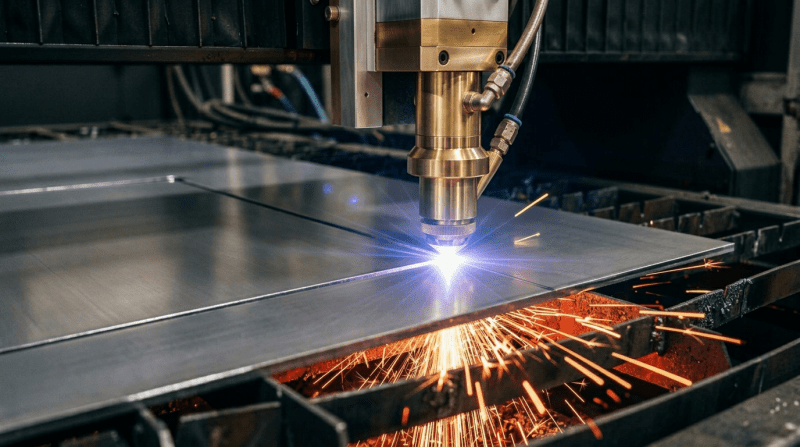
The large-format Puma 6525: provides the capacity to handle sheet size capacities of 6400 x 2500 straight cutting, 6100 x 2000 bevel cutting.
The XXL format Taurus laser is a modular design with a machine size begins at a 14-meter bed length and can be expanded in increments of 4 meters to a maximum bed length of 42 m. Taurus accommodates workpieces up to 3200 mm wide and up to 50 mm thick.